
Jax likes to spot different airplane types at the airport. He can tell a 737 from an A320 at a distance now. Here's a guide to the main types.
Single-Aisle (Narrow-Body) Planes

These are the most common planes you'll see at airports. They have one aisle down the middle with seats on both sides (usually 3 seats on each side).
Examples:
- Boeing 737 — The most popular airplane ever! Airlines use it for flights up to about 6 hours.
- Airbus A320 — Airbus's version, equally popular. You'll see these everywhere in Europe.
- Airbus A220 — A newer, smaller narrow-body that's super fuel-efficient.
How many passengers: Usually 150-220 people.
Wide-Body (Twin-Aisle) Planes

These big planes have TWO aisles and are used for long international flights. They can carry more people and more fuel.
Examples:
- Boeing 777 — One of the most popular wide-bodies. It has two massive engines and can fly super far.
- Boeing 787 Dreamliner — A modern plane with big windows that can dim electronically (no window shades!).
- Airbus A350 — Airbus's newest long-range plane, made partly from carbon fiber.
- Airbus A330 — A workhorse for medium-to-long flights.
How many passengers: Usually 250-400 people.
Double-Decker Planes
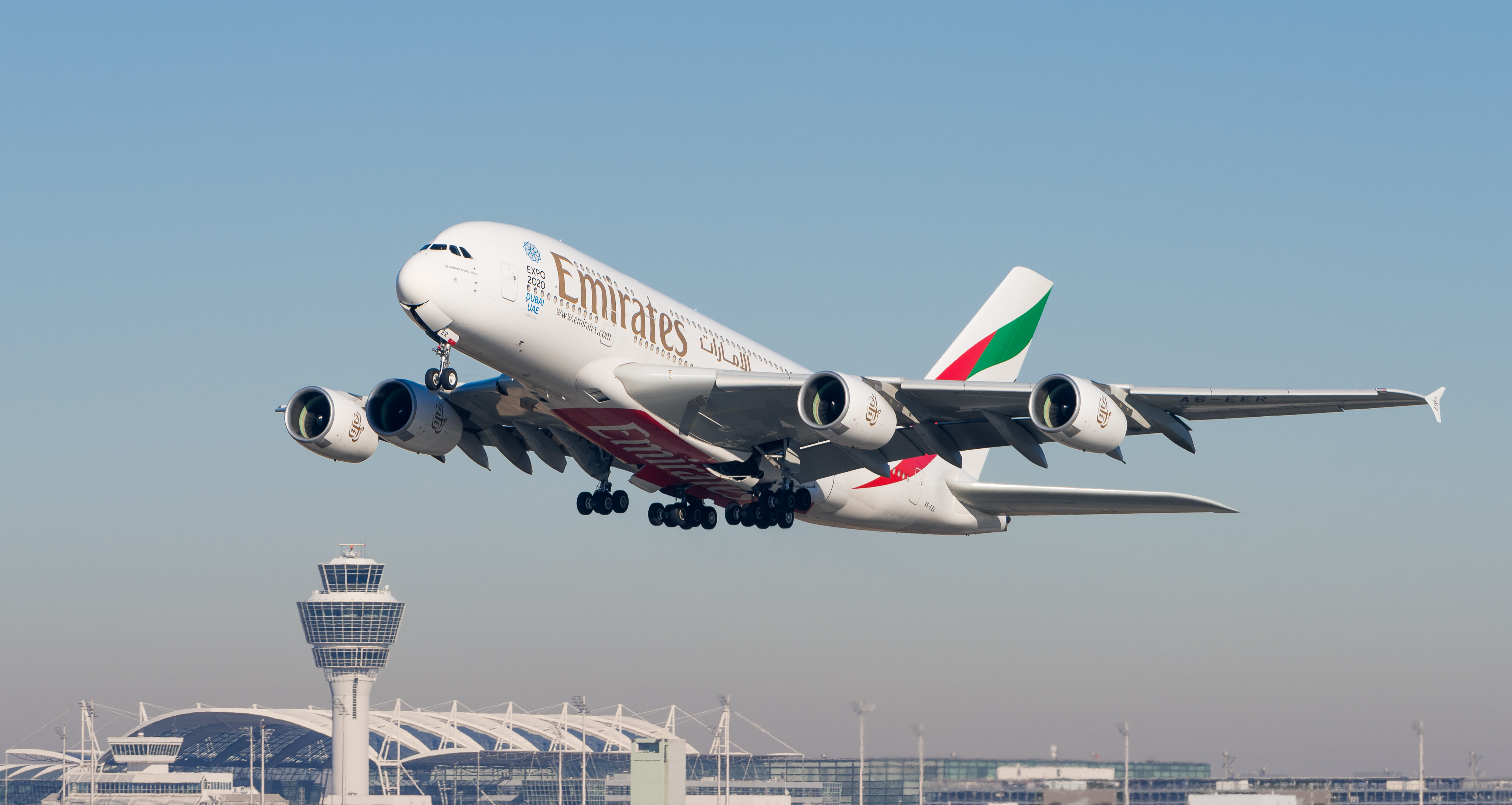
The kings of the sky! These planes have two full passenger decks.
Examples:
- Airbus A380 — The biggest passenger plane ever! It can carry over 500 passengers. Some airlines have put swimming pools and showers on them! Sadly, Airbus stopped making new A380s, but many still fly.
- Boeing 747 — The original "Jumbo Jet" with its famous hump on top. It changed flying forever when it first appeared in 1970.
How many passengers: 400-600+ people!
Regional Jets and Commuter Aircraft
These smaller jets connect smaller cities to bigger airports. They're like the school buses of the sky — you might take one to fly from a smaller city to a big hub airport, and then transfer to a larger plane for a longer flight.
Examples:
- Embraer E175 — A popular Brazilian-made jet used a lot in North America. Many U.S. airlines operate these on shorter routes.
- Bombardier CRJ-700/900 — A Canadian-made jet you'll often see at regional airports. It has a narrower cabin than the E175.
- Airbus A220 — Originally called the Bombardier C Series, this is the largest "small" jet. It's bigger and more comfortable than traditional regional jets, and airlines like Delta and JetBlue use it.
How many passengers: Usually 70-130 people.
Propeller Planes (Turboprops)
These planes use propellers instead of jet engines. They're slower but very efficient for short flights — usually under 2 hours. You'll often see them on island routes or connecting small towns.
Examples:
- ATR 72 — Used by many airlines for short island or regional flights. Hawaiian Airlines uses these between the Hawaiian islands.
- DHC-8 (Dash 8) — A popular Canadian-made turboprop used in North America, Europe, and Asia.
- Cessna Caravan — A small single-propeller plane used for very short routes and remote destinations. Some carry as few as 9 passengers!
How many passengers: Usually 9-80 people.
What About Private Jets and Cargo Planes?
- Private jets are small planes owned or rented by individuals. They usually carry 4-19 people. Popular models include the Gulfstream G650 and Bombardier Global 7500.
- Cargo planes carry packages instead of passengers. The biggest cargo plane, the Antonov An-225, could carry the weight of 50 elephants! FedEx and UPS operate huge fleets of cargo planes — FedEx alone has over 680 aircraft.
How to Tell Different Airplane Types Apart
Here are some quick tips for airplane spotting:
- Count the engines: Most planes have 2 engines. The A380 and older 747s have 4. Propeller planes may have 1 or 2.
- Look at the size: If it looks small with a pointy nose, it's probably a regional jet. If it's huge with a wide body, it's a wide-body or double-decker.
- Check the wings: Propeller planes have visible propellers on the wings or nose. Jets have smooth engine pods (called nacelles) hanging under the wings.
- Count the aisles: If you're inside, one aisle means narrow-body, two aisles means wide-body.
Spot Them at the Airport
Next time you're at an airport, see how many types you can identify. Jax keeps a list of every different airplane type he's spotted! If you want to know more about the two big manufacturers, check out Boeing vs Airbus. And to learn what makes all of these planes stay up in the air, read how do airplanes fly.